Yoga and Pilates

Reformer Pilates: A Comprehensive Guide to Transform Your Body

Pilates is a popular fitness regimen that has been around for over a century. It was developed by Joseph Pilates in the early 1900s, and it has been gaining popularity ever since. Reformer Pilates, a type of Pilates that uses a machine called the Pilates reformer, is one of the most effective ways to transform your body.

What is Reformer Pilates?

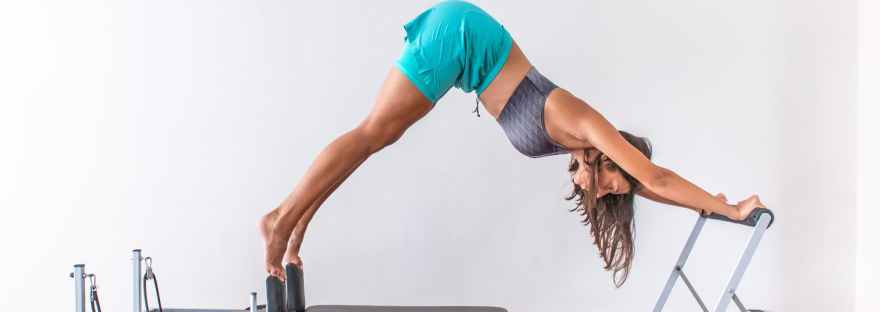
Reformer Pilates is a type of Pilates that uses a machine called the Pilates reformer. The reformer is a bed-like frame with a flat platform on it. The platform is attached to springs and pulleys that provide resistance. The resistance can be adjusted to make the exercises easier or more challenging. There are also straps and bars attached to the reformer that are used in different exercises.

Reformer Pilates is a full-body workout that targets all the major muscle groups. It is a low-impact workout that is gentle on the joints, making it suitable for people of all fitness levels. It is also a great way to improve your flexibility, balance, and posture.

Benefits of Reformer Pilates

  1. Strengthens the core muscles: Reformer Pilates is an excellent way to strengthen your core muscles, which are essential for maintaining good posture and stability. The exercises target the deep muscles of the abdomen and back, which help to support the spine and improve overall body alignment.
  2. Improves flexibility: Reformer Pilates exercises are designed to improve flexibility by stretching and lengthening the muscles. This can help to reduce muscle tension and stiffness, improve joint mobility, and prevent injuries.
  3. Increases muscle tone: Reformer Pilates is a resistance-based workout that helps to build lean muscle mass. This can help to improve muscle tone and definition, giving you a more sculpted and toned physique.
  4. Promotes relaxation: Reformer Pilates exercises are slow and controlled, which can help to reduce stress and promote relaxation. The deep breathing techniques used in Pilates can also help to calm the mind and reduce anxiety.
  5. Low-impact: Reformer Pilates is a low-impact workout that is gentle on the joints. This makes it suitable for people of all fitness levels, including those who are recovering from injuries or have joint problems.
  6. Improves posture: Reformer Pilates exercises are designed to improve posture by strengthening the muscles that support the spine. This can help to reduce back pain and improve overall body alignment.
  7. Burns calories: Reformer Pilates is a great way to burn calories and lose weight. The resistance-based exercises help to build lean muscle mass, which can increase your metabolism and burn more calories throughout the day.

Tips for getting started with Reformer Pilates

  1. Find a qualified instructor: It is important to find a qualified instructor who can guide you through the exercises and ensure that you are using proper form. Look for an instructor who is certified by a reputable Pilates organization.
  2. Start slow: Reformer Pilates can be challenging, especially if you are new to Pilates or have not exercised in a while. Start slow and gradually build up your strength and endurance.
  3. Wear comfortable clothing: Wear comfortable clothing that allows you to move freely and does not restrict your movement.
  4. Listen to your body: It is important to listen to your body and not push yourself too hard. If an exercise is causing pain or discomfort, stop immediately and talk to your instructor.
  5. Stay consistent: Like any exercise regimen, consistency is key. Aim to do Reformer Pilates at least two to three times per week to see the best results.

In conclusion, Reformer Pilates is an excellent way to transform your body and improve your overall health and well-being. It is a full-body workout that targets all the major muscle groups, improves flexibility, increases muscle tone, promotes relaxation, and improves posture. It is also a low-impact workout that is gentle on the joints, making it suitable for people of all fitness levels.

If you are interested in trying Reformer Pilates, it is important to find a qualified instructor who can guide you through the exercises and ensure that you are using proper form. Start slow and gradually build up your strength and endurance. Wear comfortable clothing and listen to your body. Finally, stay consistent and aim to do Reformer Pilates at least two to three times per week to see the best results.

In conclusion, Reformer Pilates is a great way to achieve a healthy, strong, and flexible body. It is a low-impact, full-body workout that can benefit people of all fitness levels. With its focus on core strength, flexibility, and posture, Reformer Pilates can help you achieve your fitness goals and transform your body.

Yoga and Pilates

The Benefits and Practice of Hatha Yoga

Hatha yoga is a type of yoga that focuses on physical postures and breathing techniques to improve overall health and well-being. The word “hatha” is derived from Sanskrit, meaning “forceful” or “strong,” which refers to the effort required to achieve the physical postures or asanas.

History and Philosophy of Hatha Yoga

Hatha yoga dates back to the 15th century and was introduced by the yogi Swami Swatmarama. The practice of Hatha yoga was initially created to prepare the body for long periods of meditation. The practice combines the physical postures or asanas, controlled breathing or pranayama, and meditation to balance the body, mind, and spirit.

Hatha yoga is based on the belief that the body and mind are interconnected, and the practice aims to align and balance the physical and subtle energies of the body to improve overall health and well-being.

Benefits of Hatha Yoga

Hatha yoga offers a range of physical, mental, and emotional benefits, including:

  1. Improved flexibility and strength: Hatha yoga involves a series of physical postures or asanas that help improve flexibility, strength, and balance. Regular practice can help reduce the risk of injury and improve overall physical health.
  2. Stress reduction: Hatha yoga also includes breathing techniques or pranayama that can help reduce stress, anxiety, and depression. The controlled breathing helps calm the mind and improve mental clarity.
  3. Improved circulation: Hatha yoga involves a series of twisting and stretching postures that can help improve circulation and blood flow throughout the body.
  4. Increased mindfulness: The practice of Hatha yoga involves a focus on the present moment, which can help increase mindfulness and self-awareness.
  5. Improved overall well-being: Regular practice of Hatha yoga can help improve overall health and well-being, including better sleep, improved digestion, and reduced inflammation.

Practicing Hatha Yoga

To practice Hatha yoga, you will need a comfortable space and a yoga mat. The practice can be done at home, in a studio, or in a group setting. It is important to wear comfortable clothing that allows for easy movement and to practice on an empty stomach.

The practice of Hatha yoga typically involves a series of physical postures or asanas that are held for a few breaths or for a longer period of time. Each asana is designed to improve flexibility, strength, and balance, and the practice may include standing postures, seated postures, inversions, and backbends.

In addition to the physical postures, Hatha yoga also includes breathing techniques or pranayama. These techniques help regulate the breath and can help reduce stress, anxiety, and depression. The practice may also include meditation, which can help increase mindfulness and self-awareness.

Hatha yoga is a gentle and accessible form of yoga that can be practiced by people of all ages and abilities. It is important to listen to your body and only practice what feels comfortable and safe.

Conclusion

Hatha yoga is a powerful practice that offers a range of physical, mental, and emotional benefits. It is a gentle and accessible form of yoga that can be practiced by people of all ages and abilities. Regular practice can help improve flexibility, strength, and balance, reduce stress and anxiety, and improve overall health and well-being. If you are interested in practicing Hatha yoga, seek guidance from a certified yoga teacher and begin your journey to improved health and well-being.

Cardiovascular Exercise

Rowing: A Full-Body Workout for Fitness Enthusiasts

Rowing is a popular sport and exercise that has been around for centuries. It is a low-impact, high-intensity workout that engages almost all the muscles in your body. Rowing machines have become increasingly popular in gyms and fitness centers, as they offer a full-body workout that is both challenging and effective. In this article, we will explore the benefits of rowing, how to row effectively, and some tips for getting the most out of your rowing workout.

The Benefits of Rowing

Rowing is an excellent form of exercise for a number of reasons. For one, it is a low-impact workout that is easy on your joints. Unlike running or jumping, rowing does not put a lot of stress on your knees, ankles, or hips. This makes it a great option for people who may have joint pain or arthritis.

Rowing is also a great way to get a full-body workout. When you row, you engage almost all the muscles in your body, including your legs, core, back, and arms. This makes it an excellent choice for people who are looking to build strength and endurance.

Rowing is also a great cardiovascular workout. It gets your heart rate up and can help improve your overall fitness level. In fact, rowing has been shown to be an effective way to improve cardiovascular health and reduce the risk of heart disease.

How to Row Effectively

If you are new to rowing, it is important to learn how to row effectively to avoid injury and get the most out of your workout. Here are some tips for rowing effectively:

  1. Start with the proper technique: The proper technique for rowing involves sitting up straight, keeping your arms straight and your shoulders relaxed, and pushing through your legs to initiate the movement. As you row, you should pull the handle toward your chest, keeping your elbows close to your body.
  2. Use your legs: Your legs are the most powerful muscles in your body, so it is important to use them when rowing. When you push through your legs, you should feel a strong contraction in your glutes and thighs.
  3. Engage your core: Your core muscles are also important when rowing. They help stabilize your body and maintain proper posture. To engage your core, focus on pulling your belly button in toward your spine and keeping your back straight.
  4. Don’t rely on your arms: While your arms are involved in the rowing motion, they should not be the primary source of power. Instead, focus on using your legs and core to generate the movement.
  5. Use the resistance appropriately: Most rowing machines allow you to adjust the resistance level. Start with a low resistance level and gradually increase it as you get stronger. However, don’t make the mistake of using too much resistance, as this can put unnecessary stress on your joints.

Tips for Getting the Most out of Your Rowing Workout

Here are some tips for getting the most out of your rowing workout:

  1. Warm up: Like any exercise, it is important to warm up before rowing. This can help prevent injury and prepare your body for the workout ahead. A good warm-up should include some light cardio and stretching.
  2. Set goals: Setting goals can help keep you motivated and on track. Whether your goal is to row for a certain amount of time or to burn a certain number of calories, having a specific goal in mind can help you stay focused and committed.
  3. Vary your workouts: To avoid boredom and plateaus, it is important to vary your rowing workouts. Try different types of workouts, such as interval training or long-distance rowing, to keep things interesting and challenging.
  4. Pay attention to your form: As you row, make sure to pay attention to your form. Maintaining proper form can help prevent injury and ensure that you are getting the most out of your workout. If you are unsure about your form, consider working with a trainer or taking a rowing class.
  5. Mix rowing with other exercises: While rowing is a great workout on its own, it can also be a great complement to other exercises. Consider incorporating rowing into a circuit training workout, or alternating rowing with other exercises to keep your workouts fresh and challenging.
  6. Cool down: After your rowing workout, make sure to cool down with some light stretching. This can help reduce soreness and stiffness, and prepare your body for your next workout.

Conclusion

Rowing is a fantastic form of exercise that offers a full-body workout and a range of health benefits. By learning how to row effectively, setting goals, and varying your workouts, you can get the most out of this challenging and rewarding workout. Whether you are a seasoned rower or just starting out, incorporating rowing into your fitness routine can help you achieve your fitness goals and improve your overall health and well-being.

Strength Training

The Basics of Powerlifting: Building Strength and Confidence

Powerlifting is a sport that focuses on the three main lifts: the squat, bench press, and deadlift. It is a strength sport that requires athletes to lift as much weight as possible for a single repetition in each lift. Powerlifting is a challenging and rewarding sport that can help athletes build strength, confidence, and mental toughness.

To become a successful powerlifter, one must first understand the basics of the sport. This article will cover the essential elements of powerlifting, including the equipment needed, proper technique for the three main lifts, and training tips for beginners.

Equipment Needed

The first thing a powerlifter needs is the right equipment. This includes a lifting belt, wrist wraps, knee sleeves or wraps, and lifting shoes. A lifting belt helps support the lower back and provides stability during heavy lifts. Wrist wraps help support the wrists during the bench press, while knee sleeves or wraps provide support and warmth to the knees during the squat. Lifting shoes are specially designed to provide a stable base for lifting and help improve technique.

Proper Technique

The three main lifts in powerlifting require proper technique to lift the most weight possible and avoid injury. Here is a brief overview of the correct form for each lift:

Squat: Start with feet shoulder-width apart, toes slightly turned out. Keep your chest up and your core tight. Bend your knees and lower your hips until your thighs are parallel to the ground. Drive through your heels to stand back up.

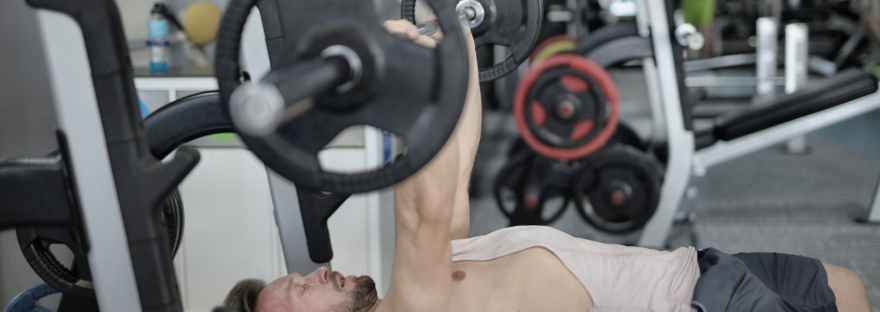
Bench press: Lie on a bench with your feet flat on the floor. Grip the barbell with your hands slightly wider than shoulder-width apart. Lower the bar to your chest, keeping your elbows tucked in. Press the bar back up to arm’s length.

Deadlift: Stand with your feet shoulder-width apart, toes under the barbell. Bend your knees and grip the bar with hands just outside your legs. Drive through your heels and stand up, keeping your back straight and the bar close to your legs.

Training Tips for Beginners

Here are a few tips to help beginners get started in powerlifting:

Start with light weights: It’s important to start with a weight that you can lift comfortably and with good form. Focus on building your technique and gradually increasing the weight.

Set realistic goals: Don’t try to lift too much weight too soon. Set realistic goals and work towards them gradually. Celebrate your achievements along the way.

Listen to your body: Pay attention to how your body feels during and after each lift. If something doesn’t feel right, stop and assess your technique or seek advice from a coach.

Get proper rest and recovery: Rest is just as important as training when it comes to building strength. Allow your body to recover between training sessions and get plenty of sleep and good nutrition.

Powerlifting can be a challenging and rewarding sport for athletes of all ages and abilities. With the right equipment, proper technique, and a solid training plan, anyone can improve their strength and confidence through powerlifting. If you’re interested in trying powerlifting, start by finding a reputable coach or gym with experienced powerlifters who can help you get started. Remember, progress takes time, so be patient and enjoy the journey.

Mind and Body Wellness

The Importance of Self-Care: A Guide to Prioritizing Your Mental and Physical Health

In today’s fast-paced world, it’s easy to get caught up in the demands of daily life and forget to take care of ourselves. But neglecting self-care can have negative consequences on both our mental and physical health. In this article, we will explore the importance of self-care and provide practical tips for prioritizing your well-being.

What is Self-Care?

Self-care refers to any activity that we engage in to take care of our physical, emotional, and mental health. It is a way to prioritize our own needs and to maintain a healthy balance between our personal and professional lives. Self-care can take many forms, including exercise, meditation, spending time with loved ones, reading, and getting enough sleep.

The Importance of Self-Care

Self-care is essential for maintaining good physical and mental health. When we neglect our well-being, we become more susceptible to stress, anxiety, depression, and other mental health issues. This can lead to physical symptoms like fatigue, headaches, and muscle tension, as well as more serious health problems like heart disease and diabetes.

In addition to these health risks, neglecting self-care can also have a negative impact on our relationships and work performance. When we are not taking care of ourselves, we may become more irritable, short-tempered, and less productive.

Tips for Prioritizing Self-Care

Now that we understand the importance of self-care, let’s explore some practical tips for prioritizing our well-being.

  1. Create a self-care routine: Set aside time each day or week to engage in activities that promote your physical, emotional, and mental health. This could be anything from going for a walk to taking a relaxing bath.
  2. Practice mindfulness: Mindfulness is the practice of being present and fully engaged in the moment. This can help reduce stress and anxiety and promote a greater sense of well-being. There are many ways to practice mindfulness, including meditation, yoga, and deep breathing exercises.
  3. Get enough sleep: Sleep is essential for good physical and mental health. Aim for at least 7-8 hours of sleep each night and create a relaxing bedtime routine to help you wind down before bed.
  4. Exercise regularly: Exercise is an excellent way to reduce stress, improve mood, and promote overall physical health. Aim for at least 30 minutes of moderate exercise each day, such as walking, biking, or swimming.
  5. Connect with loved ones: Spending time with loved ones can provide a sense of support and comfort, which can be essential for good mental health. Make time for regular social activities, such as dinner with friends or family game night.
  6. Set boundaries: It’s important to set boundaries with work, social media, and other activities that can take up our time and energy. Learn to say no to requests that do not align with your priorities and take breaks from technology when needed.

In Conclusion

Self-care is essential for maintaining good physical and mental health. By prioritizing our well-being, we can reduce stress, improve our relationships, and perform better in our personal and professional lives. Remember to create a self-care routine, practice mindfulness, get enough sleep, exercise regularly, connect with loved ones, and set boundaries to ensure you are prioritizing your mental and physical health.

Strength Training

How Resistance Bands Can Benefit Your Fitness Routine

Resistance bands are a versatile and effective tool that can help you improve your strength, flexibility, and overall fitness. They are easy to use and can be incorporated into almost any workout routine, making them a popular choice for people of all fitness levels. In this article, we will explore the benefits of resistance bands and how they can enhance your fitness routine.

What are Resistance Bands?

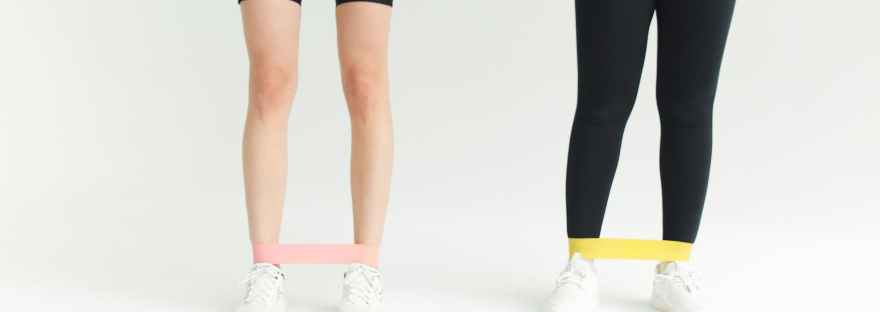
Resistance bands are a type of elastic band that can be used to provide resistance during exercise. They are made of latex or rubber and come in a variety of shapes, sizes, and resistance levels. Some bands are long and can be stretched across the body, while others are circular and can be wrapped around various body parts.

Benefits of Using Resistance Bands

Versatility
One of the primary benefits of resistance bands is their versatility. They can be used to target various muscle groups and can be incorporated into almost any workout routine. Whether you are looking to build strength, improve flexibility, or increase endurance, resistance bands can help you achieve your fitness goals.

Portability
Resistance bands are lightweight and portable, making them an ideal choice for people who travel frequently or who do not have access to a gym. They can easily be packed in a suitcase or carried in a gym bag, allowing you to workout anywhere and anytime.

Cost-effective
Compared to other fitness equipment, resistance bands are relatively inexpensive. This makes them an affordable option for people who are on a tight budget or who do not want to invest in expensive gym equipment.

Low-impact
Resistance bands provide a low-impact form of exercise that is easy on the joints. This makes them an ideal choice for people who have injuries or who are recovering from surgery.

Adjustable resistance
Resistance bands come in various levels of resistance, which allows you to adjust the intensity of your workout. This is particularly useful for people who are just starting out with strength training or who want to gradually increase the intensity of their workouts.

Incorporating Resistance Bands Into Your Workout Routine

Resistance bands can be used to target various muscle groups, including the chest, back, arms, legs, and core. Here are some exercises you can do with resistance bands:

Squats
Wrap the band around your thighs and stand with your feet shoulder-width apart. Lower your body into a squat, keeping your back straight and your knees over your ankles. Return to the starting position and repeat.

Bicep curls
Stand on the band with your feet shoulder-width apart and hold the ends of the band with your palms facing up. Curl the band up towards your shoulders, keeping your elbows close to your body. Lower the band back down and repeat.

Lat pulldowns
Anchor the band above your head and hold onto the ends with your palms facing forward. Pull the band down towards your chest, keeping your elbows close to your body. Release the band and repeat.

Push-ups
Wrap the band around your back and hold onto the ends with your hands. Lower your body towards the ground, keeping your elbows close to your body. Push back up and repeat.

Glute bridge
Wrap the band around your thighs and lie on your back with your knees bent and your feet flat on the ground. Lift your hips up towards the ceiling, squeezing your glutes at the top of the movement. Lower your hips back down and repeat.

Conclusion

Resistance bands are a versatile and effective tool that can benefit your fitness routine in many ways. They are affordable, portable, and easy to use, making them a popular choice for people of all fitness levels. Whether you are looking to build strength, improve flexibility, or increase endurance, incorporating resistance bands into your workout routine can help you achieve your fitness goals. With a wide variety of exercises that can be performed with resistance bands, it’s easy to target specific muscle groups and adjust the intensity of your workout.

However, it’s important to note that resistance bands should be used with caution and proper technique. As with any exercise equipment, it’s important to consult with a fitness professional before starting a new workout routine. Additionally, it’s important to choose the appropriate resistance level for your fitness level and gradually increase the intensity as your strength and endurance improve.

In conclusion, resistance bands are an affordable, portable, and effective tool that can enhance your fitness routine. Whether you’re a beginner or a seasoned athlete, incorporating resistance bands into your workout can help you achieve your fitness goals and improve your overall health and well-being. So why not give them a try and see the benefits for yourself?

Mind and Body Wellness

Stress Management: Techniques to Overcome Stress and Anxiety

Stress has become an inevitable part of our lives in today’s fast-paced world. With the constant pressure to perform and the never-ending demands of modern life, stress and anxiety have become commonplace. However, managing stress is crucial to maintaining a healthy lifestyle and preventing burnout. In this article, we will discuss some effective stress management techniques that can help you overcome stress and anxiety.

  1. Exercise

Exercise is one of the most effective stress management techniques. Physical activity releases endorphins, which are natural mood boosters. Exercise also helps to reduce the level of stress hormones in the body, such as cortisol and adrenaline. Regular exercise can also help improve sleep quality, which is essential for reducing stress and anxiety.

  • Meditation

Meditation is another effective stress management technique. It involves focusing your attention on a single point, such as your breath, and clearing your mind of distractions. Meditation has been shown to reduce the level of stress hormones in the body, such as cortisol, and increase feelings of calm and relaxation.

  • Yoga

Yoga combines physical movement with breathing techniques and meditation. It is an effective stress management technique because it helps to calm the mind and relax the body. Yoga has been shown to reduce the level of stress hormones in the body and improve overall well-being.

  • Deep Breathing

Deep breathing is a simple yet effective stress management technique. It involves taking slow, deep breaths and focusing your attention on your breath. Deep breathing has been shown to reduce the level of stress hormones in the body, such as cortisol, and increase feelings of relaxation.

  • Progressive Muscle Relaxation

Progressive muscle relaxation is a stress management technique that involves tensing and then relaxing each muscle group in the body. This technique helps to release physical tension and reduce feelings of stress and anxiety.

  • Time Management

Poor time management can be a significant source of stress. Learning to manage your time effectively can help reduce stress and increase productivity. Some tips for effective time management include creating a schedule, prioritizing tasks, and setting realistic goals.

  • Sleep

Getting enough sleep is essential for managing stress and anxiety. Lack of sleep can lead to increased levels of stress hormones in the body, such as cortisol, and decrease feelings of well-being. Make sure to get at least 7-8 hours of sleep each night to help manage stress.

  • Social Support

Having a strong support system can be an effective stress management technique. Surrounding yourself with positive and supportive people can help reduce feelings of stress and increase feelings of well-being. Reach out to friends and family for support when you are feeling overwhelmed.

  • Mindfulness

Mindfulness involves being fully present in the moment and paying attention to your thoughts and feelings without judgment. It can be an effective stress management technique because it helps you to be more aware of your stressors and respond to them in a more effective way.

In conclusion, stress and anxiety are common in today’s fast-paced world. However, there are many effective stress management techniques that can help you overcome these feelings. Exercise, meditation, yoga, deep breathing, progressive muscle relaxation, time management, sleep, social support, and mindfulness are all effective techniques that can help reduce stress and increase feelings of well-being. By incorporating these techniques into your daily routine, you can manage stress and maintain a healthy lifestyle.

Cardiovascular Exercise

The Benefits of Cycling: Why it’s More Than Just a Form of Exercise

Cycling is an excellent way to stay active, but it’s much more than just a form of exercise. This activity offers numerous benefits for both physical and mental health, making it a great option for people of all ages and fitness levels.

Physical Benefits of Cycling

Cycling is a low-impact exercise that can improve cardiovascular health, increase muscle strength and endurance, and aid in weight loss. According to the American Heart Association, cycling regularly can lower your risk of heart disease and stroke, reduce blood pressure and cholesterol levels, and improve overall heart health.

Cycling can also help build and tone muscles in the legs, back, and core. The repetitive motion of pedaling helps strengthen muscles while burning calories, making it a great way to lose weight and maintain a healthy body composition.

Additionally, cycling is a low-impact exercise, which means it puts less stress on the joints than high-impact activities like running or jumping. This makes it an excellent option for people with joint pain or other conditions that make high-impact exercise difficult.

Mental Benefits of Cycling

Cycling is not just beneficial for physical health; it can also improve mental health and well-being. Studies have shown that cycling can reduce stress and anxiety, improve mood, and even help prevent depression.

Cycling is an excellent way to get outside and enjoy the great outdoors. Being outdoors has been shown to improve mood and reduce stress levels, and combining that with physical activity makes it a powerful tool for mental health.

Furthermore, cycling can be a social activity, allowing people to connect with others and form new relationships. Joining a cycling group or club is an excellent way to meet like-minded people and form friendships.

Cycling for Commuting and Transportation

Cycling is not just a leisure activity or form of exercise; it can also be an efficient and environmentally friendly mode of transportation. Biking to work or school can save money on gas and reduce your carbon footprint.

Additionally, cycling to work or school can help you arrive feeling energized and ready for the day. Studies have shown that people who commute by bike are less stressed and more productive than those who drive or take public transportation.

Cycling for Recreation

Cycling can be an enjoyable and rewarding recreational activity. Whether you’re exploring new trails, riding with friends, or taking a leisurely ride through the park, cycling offers a fun and exciting way to spend time outdoors.

Recreational cycling can also be a great way to challenge yourself and set goals. Whether it’s completing a long-distance ride or tackling a challenging hill climb, cycling offers plenty of opportunities to push yourself and achieve new personal bests.

Tips for Getting Started with Cycling

If you’re interested in starting cycling but don’t know where to begin, here are some tips to help you get started:

  1. Choose the right bike: There are many different types of bikes available, from road bikes to mountain bikes to hybrid bikes. Choose a bike that fits your needs and budget.
  2. Wear the right gear: Helmets are essential for safety, but you should also consider wearing padded shorts, cycling gloves, and a breathable jersey.
  3. Start slow: Begin with shorter rides and gradually increase the distance and intensity as you become more comfortable.
  4. Find a cycling group or club: Joining a cycling group or club is an excellent way to meet new people and learn more about cycling.
  5. Make cycling a habit: Aim to cycle regularly, even if it’s just a short ride around the neighborhood. Consistency is key when it comes to seeing the benefits of cycling.

Conclusion

Cycling is more than just a form of exercise; it’s an excellent way to improve physical and mental health, commute or transport, and enjoy the

outdoors. Whether you’re a beginner or an experienced cyclist, there are many benefits to be gained from this activity.

By choosing the right bike, wearing the right gear, starting slow, finding a cycling group or club, and making cycling a habit, you can experience the numerous benefits of cycling for yourself.

So why not give it a try? Whether you’re looking to improve your physical health, boost your mood, or simply enjoy the outdoors, cycling is an excellent option for people of all ages and fitness levels.