Yoga and Pilates

Mat Pilates: A Comprehensive Guide to a Stronger and Healthier You

Mat Pilates is a form of exercise that has been gaining popularity in recent years, and for good reason. This low-impact workout is designed to strengthen and tone muscles, improve flexibility, and promote overall wellness. In this article, we will provide you with a comprehensive guide to Mat Pilates, including its benefits, techniques, and some tips to get the most out of your practice.

What is Mat Pilates?

Mat Pilates is a type of exercise that is performed on a mat using your own body weight as resistance. It was developed by Joseph Pilates in the 1920s and has since become a popular form of exercise around the world. It is designed to improve strength, flexibility, and posture, as well as reduce stress and tension.

Benefits of Mat Pilates

There are numerous benefits to practicing Mat Pilates. Some of the key benefits include:

  1. Improved core strength – Mat Pilates focuses on strengthening the muscles in the core, which can improve overall strength and stability.
  2. Better flexibility – Mat Pilates incorporates a range of stretches that can help improve flexibility and range of motion.
  3. Improved posture – Mat Pilates emphasizes proper alignment and posture, which can lead to better posture and reduced pain and discomfort.
  4. Reduced stress – Mat Pilates is a low-impact workout that can help reduce stress and tension in the body.
  5. Increased energy – Mat Pilates can help increase energy levels and improve overall wellness.

Techniques of Mat Pilates

Mat Pilates involves a series of exercises that target the core, back, legs, and arms. Here are some of the most common techniques used in Mat Pilates:

  1. The Hundred – This exercise involves lying on your back with your legs in a tabletop position and your arms extended by your sides. You then pump your arms up and down while keeping your core engaged.
  2. Roll-up – This exercise involves lying on your back and rolling up to a seated position while keeping your legs straight.
  3. Single-leg stretch – This exercise involves lying on your back with one knee pulled into your chest and the other leg straight. You then switch legs while keeping your core engaged.
  4. Spine stretch – This exercise involves sitting with your legs straight and your arms extended above your head. You then reach forward and stretch your spine.
  5. Side leg series – This exercise involves lying on your side and lifting your leg up and down while keeping your core engaged.

Tips for Practicing Mat Pilates

If you’re new to Mat Pilates, here are some tips to help you get the most out of your practice:

  1. Start slowly – It’s important to start slowly and build up your strength and flexibility gradually.
  2. Focus on form – Proper form is key in Mat Pilates, so make sure to pay attention to your alignment and posture.
  3. Breathe – Breathing is an important part of Mat Pilates, so make sure to inhale and exhale deeply with each movement.
  4. Listen to your body – If something doesn’t feel right, stop and adjust your position or take a break.
  5. Be consistent – Consistency is key in Mat Pilates, so make sure to practice regularly to see the best results.

In conclusion, Mat Pilates is a wonderful form of exercise that can help improve strength, flexibility, and overall wellness. By incorporating Mat Pilates into your fitness routine, you can achieve a stronger and healthier you. So why not give it a try? Your body will thank you for it.

Yoga and Pilates

Restorative Yoga: The Healing Practice for Body and Mind

Restorative yoga is a type of yoga that focuses on relaxation and rejuvenation. It is a slow-paced practice that uses props like blankets, bolsters, and straps to support the body in various yoga poses. The main goal of restorative yoga is to help the body relax and heal, and to calm the mind.

The practice of restorative yoga is based on the principles of yoga, which aim to bring balance and harmony to the body, mind, and spirit. Restorative yoga is particularly useful for people who have experienced stress, injury, illness, or chronic pain. It is also helpful for those who have difficulty sleeping, suffer from anxiety or depression, or simply want to relax and unwind.

Restorative yoga poses are gentle and easy to do, and can be adapted to suit any level of flexibility or fitness. They are typically held for longer periods of time, usually between five and twenty minutes, to allow the body to fully relax and release tension. This slow, deliberate pace helps to activate the parasympathetic nervous system, which is responsible for the body’s rest and digest response.

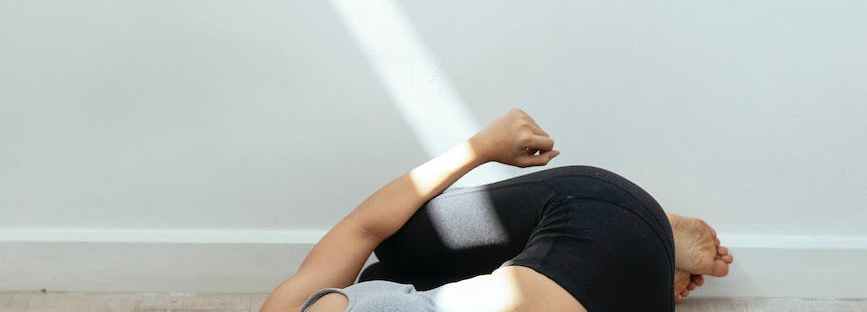
One of the most well-known restorative yoga poses is the Supported Child’s Pose. This pose is done by placing a bolster or several folded blankets on the floor, and then kneeling in front of it with your knees spread wide and your toes touching. You then lower your upper body onto the bolster, resting your forehead on the props and extending your arms forward. This pose gently stretches the hips and thighs, while also calming the mind and relieving stress.

Another popular restorative yoga pose is the Supported Bridge Pose. This pose is done by lying on your back with your knees bent and your feet flat on the floor. You then place a yoga block or bolster under your hips, and allow your arms to rest on the floor beside you. This pose helps to open the chest and hips, and can be especially beneficial for people who spend a lot of time sitting or standing.

Restorative yoga is also known for its ability to reduce stress and anxiety. Research has shown that restorative yoga can lower levels of the stress hormone cortisol, and increase levels of the feel-good hormone oxytocin. This can help to promote feelings of relaxation, well-being, and emotional balance.

In addition to its physical and mental benefits, restorative yoga can also be a spiritual practice. Many people find that the slow, meditative pace of restorative yoga allows them to connect with their inner selves and cultivate a deeper sense of awareness and mindfulness.

To get the most out of restorative yoga, it is important to practice regularly and consistently. Even just a few minutes of restorative yoga each day can have a significant impact on your overall well-being. It is also helpful to seek guidance from a qualified yoga instructor who can provide individualized support and modifications.

In conclusion, restorative yoga is a gentle, healing practice that can benefit people of all ages and fitness levels. Its focus on relaxation, rejuvenation, and self-care make it an ideal practice for anyone looking to reduce stress, improve their physical health, and cultivate a greater sense of inner peace and well-being. By incorporating restorative yoga into your daily routine, you can support your body and mind in their natural healing processes, and live a more balanced, harmonious life.

Yoga and Pilates

The Benefits of Vinyasa Yoga for Mind, Body, and Spirit

Vinyasa yoga, also known as flow yoga, is a popular form of yoga that involves moving through a series of postures in a fluid, continuous manner, synchronized with breath. This dynamic practice can be invigorating, challenging, and deeply transformative, offering a range of benefits for both the physical body and the mind.

Here are some of the key benefits of vinyasa yoga:

  1. Increased strength and flexibility

Vinyasa yoga is a full-body workout that targets all major muscle groups. The flowing sequences of postures challenge your muscles and help build strength and endurance, while the constant movement improves flexibility and range of motion. Regular vinyasa practice can help you build a lean, toned physique and increase your overall physical fitness.

  • Improved cardiovascular health

The continuous movement and breathwork in vinyasa yoga can also provide a cardiovascular workout, increasing heart rate and blood flow. This can improve circulation, lower blood pressure, and reduce the risk of heart disease and other chronic health conditions.

  • Reduced stress and anxiety

Vinyasa yoga is known for its calming effect on the mind and nervous system. The focus on breath and movement can help quiet the mind, reduce stress and anxiety, and promote feelings of relaxation and wellbeing. Regular practice can also help build resilience to stress and improve overall mental health.

  • Increased mindfulness and presence

The flow of vinyasa yoga requires a high level of concentration and focus, which can help cultivate mindfulness and presence. By tuning in to the present moment and the sensations in your body, you can develop greater self-awareness and emotional intelligence, and deepen your connection to yourself and others.

  • A sense of community and connection

Vinyasa yoga is often practiced in a group setting, which can provide a sense of community and connection. The shared experience of moving and breathing together can create a sense of camaraderie and support, and foster a sense of belonging and connection to something larger than oneself.

Tips for practicing vinyasa yoga:

If you’re new to vinyasa yoga, here are some tips to help you get started:

  1. Find a qualified teacher: Look for a teacher who is certified in vinyasa yoga and has experience working with beginners.
  2. Start with a beginner’s class: Many yoga studios offer beginner’s classes that are designed to introduce you to the basics of vinyasa yoga in a safe and supportive environment.
  3. Focus on your breath: The breath is a key component of vinyasa yoga. Focus on inhaling and exhaling deeply and smoothly, and use the breath to guide your movement.
  4. Listen to your body: Vinyasa yoga can be challenging, but it’s important to listen to your body and work within your own limits. If a pose doesn’t feel right, don’t force it. Instead, modify the pose or take a break.
  5. Be patient and persistent: Like any new skill, learning vinyasa yoga takes time and practice. Be patient with yourself, and commit to a regular practice to see the benefits over time.

In conclusion, vinyasa yoga is a dynamic and transformative practice that can benefit the mind, body, and spirit. Whether you’re looking to increase strength and flexibility, reduce stress and anxiety, or cultivate mindfulness and connection, vinyasa yoga offers a powerful tool for personal growth and wellbeing. With a qualified teacher and a regular practice, you can unlock the full potential of this transformative practice and experience its many benefits for yourself.

Yoga and Pilates

Reformer Pilates: A Comprehensive Guide to Transform Your Body

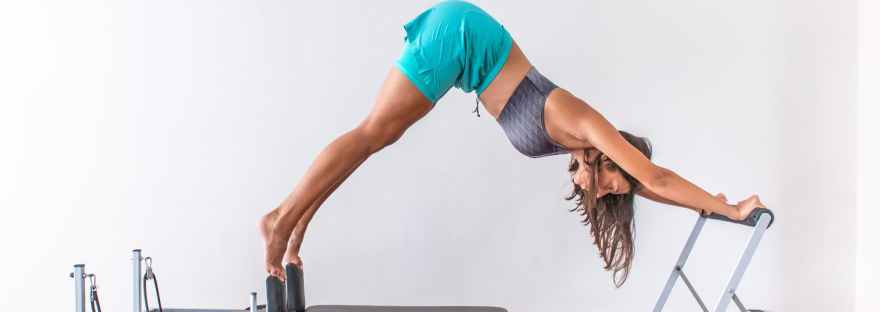
Pilates is a popular fitness regimen that has been around for over a century. It was developed by Joseph Pilates in the early 1900s, and it has been gaining popularity ever since. Reformer Pilates, a type of Pilates that uses a machine called the Pilates reformer, is one of the most effective ways to transform your body.

What is Reformer Pilates?

Reformer Pilates is a type of Pilates that uses a machine called the Pilates reformer. The reformer is a bed-like frame with a flat platform on it. The platform is attached to springs and pulleys that provide resistance. The resistance can be adjusted to make the exercises easier or more challenging. There are also straps and bars attached to the reformer that are used in different exercises.

Reformer Pilates is a full-body workout that targets all the major muscle groups. It is a low-impact workout that is gentle on the joints, making it suitable for people of all fitness levels. It is also a great way to improve your flexibility, balance, and posture.

Benefits of Reformer Pilates

  1. Strengthens the core muscles: Reformer Pilates is an excellent way to strengthen your core muscles, which are essential for maintaining good posture and stability. The exercises target the deep muscles of the abdomen and back, which help to support the spine and improve overall body alignment.
  2. Improves flexibility: Reformer Pilates exercises are designed to improve flexibility by stretching and lengthening the muscles. This can help to reduce muscle tension and stiffness, improve joint mobility, and prevent injuries.
  3. Increases muscle tone: Reformer Pilates is a resistance-based workout that helps to build lean muscle mass. This can help to improve muscle tone and definition, giving you a more sculpted and toned physique.
  4. Promotes relaxation: Reformer Pilates exercises are slow and controlled, which can help to reduce stress and promote relaxation. The deep breathing techniques used in Pilates can also help to calm the mind and reduce anxiety.
  5. Low-impact: Reformer Pilates is a low-impact workout that is gentle on the joints. This makes it suitable for people of all fitness levels, including those who are recovering from injuries or have joint problems.
  6. Improves posture: Reformer Pilates exercises are designed to improve posture by strengthening the muscles that support the spine. This can help to reduce back pain and improve overall body alignment.
  7. Burns calories: Reformer Pilates is a great way to burn calories and lose weight. The resistance-based exercises help to build lean muscle mass, which can increase your metabolism and burn more calories throughout the day.

Tips for getting started with Reformer Pilates

  1. Find a qualified instructor: It is important to find a qualified instructor who can guide you through the exercises and ensure that you are using proper form. Look for an instructor who is certified by a reputable Pilates organization.
  2. Start slow: Reformer Pilates can be challenging, especially if you are new to Pilates or have not exercised in a while. Start slow and gradually build up your strength and endurance.
  3. Wear comfortable clothing: Wear comfortable clothing that allows you to move freely and does not restrict your movement.
  4. Listen to your body: It is important to listen to your body and not push yourself too hard. If an exercise is causing pain or discomfort, stop immediately and talk to your instructor.
  5. Stay consistent: Like any exercise regimen, consistency is key. Aim to do Reformer Pilates at least two to three times per week to see the best results.

In conclusion, Reformer Pilates is an excellent way to transform your body and improve your overall health and well-being. It is a full-body workout that targets all the major muscle groups, improves flexibility, increases muscle tone, promotes relaxation, and improves posture. It is also a low-impact workout that is gentle on the joints, making it suitable for people of all fitness levels.

If you are interested in trying Reformer Pilates, it is important to find a qualified instructor who can guide you through the exercises and ensure that you are using proper form. Start slow and gradually build up your strength and endurance. Wear comfortable clothing and listen to your body. Finally, stay consistent and aim to do Reformer Pilates at least two to three times per week to see the best results.

In conclusion, Reformer Pilates is a great way to achieve a healthy, strong, and flexible body. It is a low-impact, full-body workout that can benefit people of all fitness levels. With its focus on core strength, flexibility, and posture, Reformer Pilates can help you achieve your fitness goals and transform your body.

Yoga and Pilates

The Benefits and Practice of Hatha Yoga

Hatha yoga is a type of yoga that focuses on physical postures and breathing techniques to improve overall health and well-being. The word “hatha” is derived from Sanskrit, meaning “forceful” or “strong,” which refers to the effort required to achieve the physical postures or asanas.

History and Philosophy of Hatha Yoga

Hatha yoga dates back to the 15th century and was introduced by the yogi Swami Swatmarama. The practice of Hatha yoga was initially created to prepare the body for long periods of meditation. The practice combines the physical postures or asanas, controlled breathing or pranayama, and meditation to balance the body, mind, and spirit.

Hatha yoga is based on the belief that the body and mind are interconnected, and the practice aims to align and balance the physical and subtle energies of the body to improve overall health and well-being.

Benefits of Hatha Yoga

Hatha yoga offers a range of physical, mental, and emotional benefits, including:

  1. Improved flexibility and strength: Hatha yoga involves a series of physical postures or asanas that help improve flexibility, strength, and balance. Regular practice can help reduce the risk of injury and improve overall physical health.
  2. Stress reduction: Hatha yoga also includes breathing techniques or pranayama that can help reduce stress, anxiety, and depression. The controlled breathing helps calm the mind and improve mental clarity.
  3. Improved circulation: Hatha yoga involves a series of twisting and stretching postures that can help improve circulation and blood flow throughout the body.
  4. Increased mindfulness: The practice of Hatha yoga involves a focus on the present moment, which can help increase mindfulness and self-awareness.
  5. Improved overall well-being: Regular practice of Hatha yoga can help improve overall health and well-being, including better sleep, improved digestion, and reduced inflammation.

Practicing Hatha Yoga

To practice Hatha yoga, you will need a comfortable space and a yoga mat. The practice can be done at home, in a studio, or in a group setting. It is important to wear comfortable clothing that allows for easy movement and to practice on an empty stomach.

The practice of Hatha yoga typically involves a series of physical postures or asanas that are held for a few breaths or for a longer period of time. Each asana is designed to improve flexibility, strength, and balance, and the practice may include standing postures, seated postures, inversions, and backbends.

In addition to the physical postures, Hatha yoga also includes breathing techniques or pranayama. These techniques help regulate the breath and can help reduce stress, anxiety, and depression. The practice may also include meditation, which can help increase mindfulness and self-awareness.

Hatha yoga is a gentle and accessible form of yoga that can be practiced by people of all ages and abilities. It is important to listen to your body and only practice what feels comfortable and safe.

Conclusion

Hatha yoga is a powerful practice that offers a range of physical, mental, and emotional benefits. It is a gentle and accessible form of yoga that can be practiced by people of all ages and abilities. Regular practice can help improve flexibility, strength, and balance, reduce stress and anxiety, and improve overall health and well-being. If you are interested in practicing Hatha yoga, seek guidance from a certified yoga teacher and begin your journey to improved health and well-being.