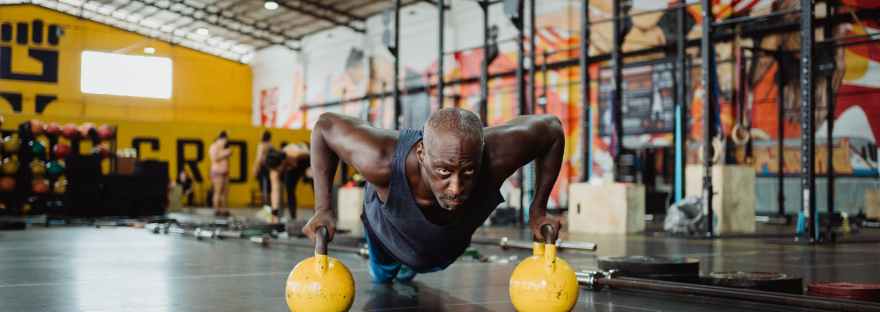
Kettlebell training has been gaining popularity in recent years as a unique and effective workout for building strength, improving conditioning, and enhancing overall fitness. Originally developed in Russia, kettlebells are cast-iron weights that resemble a cannonball with a handle. They offer a variety of exercises that challenge the entire body, including the core, legs, and upper body. In this article, we’ll explore the benefits of kettlebell training and provide some tips on how to get started.
Benefits of Kettlebell Training
Strength Training
Kettlebell exercises are designed to work multiple muscle groups simultaneously, making them an excellent choice for building overall strength. The swinging motion of kettlebell exercises, such as the kettlebell swing and snatch, engages the entire body, including the legs, hips, back, and shoulders. The kettlebell also provides an unstable load, which forces your muscles to work harder to stabilize and control the weight.
Cardiovascular Conditioning
Kettlebell training can also provide an intense cardiovascular workout. The high-intensity nature of kettlebell exercises, combined with the constant movement and dynamic nature of the workout, can help to elevate your heart rate and improve your cardiovascular fitness.
Improved Core Strength and Stability
The kettlebell’s unique shape and weight distribution require your core muscles to work harder to maintain proper form during exercises. This can lead to improved core strength and stability, which can help to prevent injuries and improve posture.
Increased Flexibility
Many kettlebell exercises involve a wide range of motion, which can help to improve flexibility and mobility in the hips, shoulders, and other joints. The kettlebell swing, for example, involves a dynamic hip hinge movement that can help to increase flexibility in the hamstrings and hips.
Getting Started with Kettlebell Training
Before you start your kettlebell training, it’s important to choose the right weight for your fitness level and goals. If you’re new to kettlebell training, start with a lighter weight and focus on proper form before moving on to heavier weights.
Here are some basic kettlebell exercises to get you started:
Kettlebell Swing
The kettlebell swing is one of the most popular and effective kettlebell exercises. It targets the glutes, hamstrings, and lower back, while also engaging the core and upper body. To perform the kettlebell swing, stand with your feet shoulder-width apart and hold the kettlebell with both hands between your legs. Swing the kettlebell back between your legs and then explosively drive your hips forward to swing the kettlebell up to shoulder height.
Goblet Squat
The goblet squat is a great exercise for building lower body strength and improving flexibility. To perform the goblet squat, hold the kettlebell at chest height with both hands, and squat down until your thighs are parallel to the ground. Make sure to keep your chest up and your knees tracking over your toes.
Kettlebell Clean and Press
The kettlebell clean and press is a full-body exercise that targets the legs, core, and shoulders. To perform the clean and press, start with the kettlebell on the ground in front of you. Clean the kettlebell up to your shoulder and then press it overhead. Lower the kettlebell back down to your shoulder and then return it to the ground.
Turkish Get-Up
The Turkish get-up is a complex exercise that requires coordination and stability. It targets the core, hips, shoulders, and arms. To perform the Turkish get-up, start by lying on your back with the kettlebell in one hand. Press the kettlebell up to the ceiling and then roll onto your side and sit up. From there, stand up and reverse the movement back down to the ground.
Tips for Safe and Effective Kettlebell Training
Focus on Form
Proper form is essential when performing kettlebell exercises. Make sure to keep your back straight, your chest up, and your shoulders pulled back and down. Engage your core muscles to stabilize your spine and avoid rounding your lower back. If you’re new to kettlebell training, consider working with a certified kettlebell trainer to learn proper technique and form.
Start with Lighter Weights
If you’re new to kettlebell training, start with a lighter weight and focus on perfecting your form before progressing to heavier weights. Using a weight that is too heavy can increase your risk of injury and compromise your form.
Warm Up Properly
Before starting your kettlebell workout, make sure to warm up properly. This can include dynamic stretching, foam rolling, and low-intensity cardio exercises. Warming up can help to prepare your body for the demands of kettlebell training and reduce your risk of injury.
Progress Slowly
As you become more comfortable with kettlebell training, you can gradually increase the weight and intensity of your workouts. However, it’s important to progress slowly and avoid overtraining. Listen to your body and take rest days when needed.
In conclusion, kettlebell training is a versatile and effective workout for building strength, improving conditioning, and enhancing overall fitness. By incorporating kettlebell exercises into your workout routine, you can target multiple muscle groups, improve your cardiovascular fitness, and increase your flexibility and mobility. To get started with kettlebell training, focus on proper form, start with lighter weights, warm up properly, and progress slowly over time. With consistency and dedication, you can achieve your fitness goals and experience the many benefits of kettlebell training.

 yourbest.fitness.blog