
Yoga and Pilates

Restorative Yoga: The Healing Practice for Body and Mind

Restorative yoga is a type of yoga that focuses on relaxation and rejuvenation. It is a slow-paced practice that uses props like blankets, bolsters, and straps to support the body in various yoga poses. The main goal of restorative yoga is to help the body relax and heal, and to calm the mind.

The practice of restorative yoga is based on the principles of yoga, which aim to bring balance and harmony to the body, mind, and spirit. Restorative yoga is particularly useful for people who have experienced stress, injury, illness, or chronic pain. It is also helpful for those who have difficulty sleeping, suffer from anxiety or depression, or simply want to relax and unwind.

Restorative yoga poses are gentle and easy to do, and can be adapted to suit any level of flexibility or fitness. They are typically held for longer periods of time, usually between five and twenty minutes, to allow the body to fully relax and release tension. This slow, deliberate pace helps to activate the parasympathetic nervous system, which is responsible for the body’s rest and digest response.

One of the most well-known restorative yoga poses is the Supported Child’s Pose. This pose is done by placing a bolster or several folded blankets on the floor, and then kneeling in front of it with your knees spread wide and your toes touching. You then lower your upper body onto the bolster, resting your forehead on the props and extending your arms forward. This pose gently stretches the hips and thighs, while also calming the mind and relieving stress.

Another popular restorative yoga pose is the Supported Bridge Pose. This pose is done by lying on your back with your knees bent and your feet flat on the floor. You then place a yoga block or bolster under your hips, and allow your arms to rest on the floor beside you. This pose helps to open the chest and hips, and can be especially beneficial for people who spend a lot of time sitting or standing.

Restorative yoga is also known for its ability to reduce stress and anxiety. Research has shown that restorative yoga can lower levels of the stress hormone cortisol, and increase levels of the feel-good hormone oxytocin. This can help to promote feelings of relaxation, well-being, and emotional balance.

In addition to its physical and mental benefits, restorative yoga can also be a spiritual practice. Many people find that the slow, meditative pace of restorative yoga allows them to connect with their inner selves and cultivate a deeper sense of awareness and mindfulness.

To get the most out of restorative yoga, it is important to practice regularly and consistently. Even just a few minutes of restorative yoga each day can have a significant impact on your overall well-being. It is also helpful to seek guidance from a qualified yoga instructor who can provide individualized support and modifications.

In conclusion, restorative yoga is a gentle, healing practice that can benefit people of all ages and fitness levels. Its focus on relaxation, rejuvenation, and self-care make it an ideal practice for anyone looking to reduce stress, improve their physical health, and cultivate a greater sense of inner peace and well-being. By incorporating restorative yoga into your daily routine, you can support your body and mind in their natural healing processes, and live a more balanced, harmonious life.

Yoga and Pilates

The Benefits of Vinyasa Yoga for Mind, Body, and Spirit

Vinyasa yoga, also known as flow yoga, is a popular form of yoga that involves moving through a series of postures in a fluid, continuous manner, synchronized with breath. This dynamic practice can be invigorating, challenging, and deeply transformative, offering a range of benefits for both the physical body and the mind.

Here are some of the key benefits of vinyasa yoga:

  1. Increased strength and flexibility

Vinyasa yoga is a full-body workout that targets all major muscle groups. The flowing sequences of postures challenge your muscles and help build strength and endurance, while the constant movement improves flexibility and range of motion. Regular vinyasa practice can help you build a lean, toned physique and increase your overall physical fitness.

  • Improved cardiovascular health

The continuous movement and breathwork in vinyasa yoga can also provide a cardiovascular workout, increasing heart rate and blood flow. This can improve circulation, lower blood pressure, and reduce the risk of heart disease and other chronic health conditions.

  • Reduced stress and anxiety

Vinyasa yoga is known for its calming effect on the mind and nervous system. The focus on breath and movement can help quiet the mind, reduce stress and anxiety, and promote feelings of relaxation and wellbeing. Regular practice can also help build resilience to stress and improve overall mental health.

  • Increased mindfulness and presence

The flow of vinyasa yoga requires a high level of concentration and focus, which can help cultivate mindfulness and presence. By tuning in to the present moment and the sensations in your body, you can develop greater self-awareness and emotional intelligence, and deepen your connection to yourself and others.

  • A sense of community and connection

Vinyasa yoga is often practiced in a group setting, which can provide a sense of community and connection. The shared experience of moving and breathing together can create a sense of camaraderie and support, and foster a sense of belonging and connection to something larger than oneself.

Tips for practicing vinyasa yoga:

If you’re new to vinyasa yoga, here are some tips to help you get started:

  1. Find a qualified teacher: Look for a teacher who is certified in vinyasa yoga and has experience working with beginners.
  2. Start with a beginner’s class: Many yoga studios offer beginner’s classes that are designed to introduce you to the basics of vinyasa yoga in a safe and supportive environment.
  3. Focus on your breath: The breath is a key component of vinyasa yoga. Focus on inhaling and exhaling deeply and smoothly, and use the breath to guide your movement.
  4. Listen to your body: Vinyasa yoga can be challenging, but it’s important to listen to your body and work within your own limits. If a pose doesn’t feel right, don’t force it. Instead, modify the pose or take a break.
  5. Be patient and persistent: Like any new skill, learning vinyasa yoga takes time and practice. Be patient with yourself, and commit to a regular practice to see the benefits over time.

In conclusion, vinyasa yoga is a dynamic and transformative practice that can benefit the mind, body, and spirit. Whether you’re looking to increase strength and flexibility, reduce stress and anxiety, or cultivate mindfulness and connection, vinyasa yoga offers a powerful tool for personal growth and wellbeing. With a qualified teacher and a regular practice, you can unlock the full potential of this transformative practice and experience its many benefits for yourself.

Strength Training

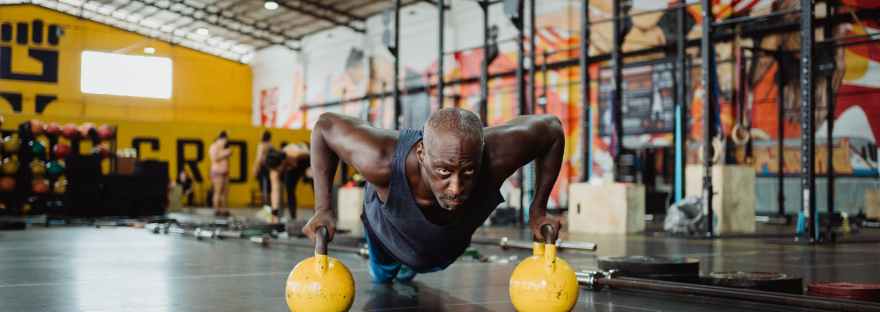
Kettlebell Training: An Effective Workout for Strength and Conditioning

Kettlebell training has been gaining popularity in recent years as a unique and effective workout for building strength, improving conditioning, and enhancing overall fitness. Originally developed in Russia, kettlebells are cast-iron weights that resemble a cannonball with a handle. They offer a variety of exercises that challenge the entire body, including the core, legs, and upper body. In this article, we’ll explore the benefits of kettlebell training and provide some tips on how to get started.

Benefits of Kettlebell Training

Strength Training
Kettlebell exercises are designed to work multiple muscle groups simultaneously, making them an excellent choice for building overall strength. The swinging motion of kettlebell exercises, such as the kettlebell swing and snatch, engages the entire body, including the legs, hips, back, and shoulders. The kettlebell also provides an unstable load, which forces your muscles to work harder to stabilize and control the weight.

Cardiovascular Conditioning
Kettlebell training can also provide an intense cardiovascular workout. The high-intensity nature of kettlebell exercises, combined with the constant movement and dynamic nature of the workout, can help to elevate your heart rate and improve your cardiovascular fitness.

Improved Core Strength and Stability
The kettlebell’s unique shape and weight distribution require your core muscles to work harder to maintain proper form during exercises. This can lead to improved core strength and stability, which can help to prevent injuries and improve posture.

Increased Flexibility
Many kettlebell exercises involve a wide range of motion, which can help to improve flexibility and mobility in the hips, shoulders, and other joints. The kettlebell swing, for example, involves a dynamic hip hinge movement that can help to increase flexibility in the hamstrings and hips.

Getting Started with Kettlebell Training

Before you start your kettlebell training, it’s important to choose the right weight for your fitness level and goals. If you’re new to kettlebell training, start with a lighter weight and focus on proper form before moving on to heavier weights.

Here are some basic kettlebell exercises to get you started:

Kettlebell Swing
The kettlebell swing is one of the most popular and effective kettlebell exercises. It targets the glutes, hamstrings, and lower back, while also engaging the core and upper body. To perform the kettlebell swing, stand with your feet shoulder-width apart and hold the kettlebell with both hands between your legs. Swing the kettlebell back between your legs and then explosively drive your hips forward to swing the kettlebell up to shoulder height.

Goblet Squat
The goblet squat is a great exercise for building lower body strength and improving flexibility. To perform the goblet squat, hold the kettlebell at chest height with both hands, and squat down until your thighs are parallel to the ground. Make sure to keep your chest up and your knees tracking over your toes.

Kettlebell Clean and Press
The kettlebell clean and press is a full-body exercise that targets the legs, core, and shoulders. To perform the clean and press, start with the kettlebell on the ground in front of you. Clean the kettlebell up to your shoulder and then press it overhead. Lower the kettlebell back down to your shoulder and then return it to the ground.

Turkish Get-Up
The Turkish get-up is a complex exercise that requires coordination and stability. It targets the core, hips, shoulders, and arms. To perform the Turkish get-up, start by lying on your back with the kettlebell in one hand. Press the kettlebell up to the ceiling and then roll onto your side and sit up. From there, stand up and reverse the movement back down to the ground.

Tips for Safe and Effective Kettlebell Training

Focus on Form
Proper form is essential when performing kettlebell exercises. Make sure to keep your back straight, your chest up, and your shoulders pulled back and down. Engage your core muscles to stabilize your spine and avoid rounding your lower back. If you’re new to kettlebell training, consider working with a certified kettlebell trainer to learn proper technique and form.

Start with Lighter Weights
If you’re new to kettlebell training, start with a lighter weight and focus on perfecting your form before progressing to heavier weights. Using a weight that is too heavy can increase your risk of injury and compromise your form.

Warm Up Properly
Before starting your kettlebell workout, make sure to warm up properly. This can include dynamic stretching, foam rolling, and low-intensity cardio exercises. Warming up can help to prepare your body for the demands of kettlebell training and reduce your risk of injury.

Progress Slowly
As you become more comfortable with kettlebell training, you can gradually increase the weight and intensity of your workouts. However, it’s important to progress slowly and avoid overtraining. Listen to your body and take rest days when needed.

In conclusion, kettlebell training is a versatile and effective workout for building strength, improving conditioning, and enhancing overall fitness. By incorporating kettlebell exercises into your workout routine, you can target multiple muscle groups, improve your cardiovascular fitness, and increase your flexibility and mobility. To get started with kettlebell training, focus on proper form, start with lighter weights, warm up properly, and progress slowly over time. With consistency and dedication, you can achieve your fitness goals and experience the many benefits of kettlebell training.

Strength Training

The Benefits of Bodyweight Exercises: Why You Should Consider Adding Them to Your Workout Routine

Bodyweight exercises are a great way to get in shape and stay healthy. They require no equipment and can be done anywhere, making them a convenient and accessible option for people of all fitness levels. In this article, we will explore the many benefits of bodyweight exercises and provide tips for incorporating them into your workout routine.

Improved Strength and Muscle Tone

Bodyweight exercises can help you build strength and muscle tone without the need for weights or other equipment. Exercises like push-ups, squats, and lunges engage multiple muscle groups and can help you build functional strength that translates into real-world activities. Bodyweight exercises are also great for improving muscle tone, which can help you achieve a more defined and athletic look.

Increased Flexibility and Mobility

Bodyweight exercises are not only great for building strength and muscle tone but can also help improve your flexibility and mobility. Movements like the downward dog and hip bridge stretch and strengthen the muscles in your hips, back, and legs, which can help improve your range of motion and reduce your risk of injury.

Better Cardiovascular Health

Many bodyweight exercises, such as jumping jacks, burpees, and mountain climbers, are great for getting your heart rate up and improving your cardiovascular health. These exercises can help improve your endurance and stamina, making it easier to engage in other physical activities like running, cycling, or swimming.

Convenience and Accessibility

One of the biggest benefits of bodyweight exercises is their convenience and accessibility. They can be done anywhere, at any time, and require no equipment. This means you can squeeze in a workout even if you don’t have access to a gym or fitness equipment. Bodyweight exercises can also be modified to suit your fitness level, making them accessible to people of all ages and abilities.

Tips for Incorporating Bodyweight Exercises into Your Workout Routine

If you’re interested in incorporating bodyweight exercises into your workout routine, here are some tips to help you get started:

Start Slowly: If you’re new to bodyweight exercises, start with simple movements like squats, lunges, and push-ups. As you get more comfortable, you can start to incorporate more complex movements like burpees, jump squats, and plyometric push-ups.

Set Realistic Goals: It’s important to set realistic goals when starting a new workout routine. Start by setting small goals, like doing 10 push-ups or 20 squats in a row, and work your way up from there.

Mix it Up: Variety is key when it comes to bodyweight exercises. Try to incorporate a variety of movements into your workout routine to keep things interesting and challenge your muscles in different ways.

Focus on Proper Form: Proper form is essential when it comes to bodyweight exercises. Make sure you are using the correct technique for each movement to avoid injury and get the most benefit from your workout.

Be Consistent: Consistency is key when it comes to achieving your fitness goals. Aim to do bodyweight exercises at least three times a week to see real results.

Conclusion

Bodyweight exercises are a convenient and effective way to build strength, improve flexibility, and boost your cardiovascular health. Whether you’re a seasoned athlete or just starting out, there are a variety of bodyweight exercises that can help you achieve your fitness goals. By incorporating these exercises into your workout routine and following the tips outlined in this article, you can get stronger, more toned, and more fit without the need for expensive gym equipment or memberships.

Mind and Body Wellness

Sleep Hygiene: Habits and Practices for a Restful Night’s Sleep

Sleep is essential for our overall health and well-being. It is during sleep that our bodies and minds recharge and repair, allowing us to function optimally during waking hours. However, many people struggle to get adequate and restful sleep due to poor sleep hygiene. Sleep hygiene refers to the habits and practices that promote quality sleep, and it encompasses various aspects of our daily routine, such as our sleep environment, bedtime routine, and daytime habits. In this article, we will explore the key components of sleep hygiene and how to incorporate them into your life for a restful night’s sleep.

  1. Create a Sleep-Conducive Environment

The first step towards good sleep hygiene is to create a sleep-conducive environment. Your sleep environment should be cool, quiet, and dark, as these factors can help you fall and stay asleep. Temperature is an essential aspect of sleep, and the ideal room temperature for sleep is between 60 and 67 degrees Fahrenheit. Additionally, try to minimize noise and light disturbances by using earplugs, curtains, or a white noise machine. Finally, invest in a comfortable mattress and pillows that support your body and promote proper alignment.

  • Establish a Consistent Sleep Schedule

Establishing a consistent sleep schedule is another critical component of sleep hygiene. Going to bed and waking up at the same time every day helps regulate your body’s internal clock, making it easier to fall asleep and wake up naturally. Aim to get at least seven to eight hours of sleep each night, and avoid sleeping in on weekends or holidays, as this can disrupt your sleep schedule.

  • Develop a Bedtime Routine

Developing a bedtime routine can help signal to your body that it’s time to wind down and prepare for sleep. Some effective bedtime rituals include taking a warm bath, reading a book, practicing relaxation techniques, such as deep breathing or meditation, or listening to calming music. Avoid engaging in stimulating activities before bed, such as watching TV, using your phone or computer, or exercising, as these can interfere with your ability to fall asleep.

  • Limit Daytime Naps

While napping can be beneficial for some people, it’s important to limit daytime naps to avoid interfering with nighttime sleep. If you must nap, keep it short, no longer than 20-30 minutes, and avoid napping late in the day, as this can make it harder to fall asleep at night.

  • Limit Caffeine and Alcohol Intake

Caffeine and alcohol are both substances that can interfere with sleep. Caffeine is a stimulant that can disrupt your ability to fall asleep and stay asleep, so it’s best to limit your intake, especially in the afternoon and evening. Similarly, while alcohol may help you fall asleep initially, it can disrupt your sleep later in the night, leading to poor sleep quality and daytime fatigue. It’s best to limit alcohol intake and avoid drinking close to bedtime.

  • Incorporate Exercise into Your Routine

Regular exercise can help promote good sleep, as it can reduce stress and anxiety and increase feelings of relaxation. Aim to get at least 30 minutes of moderate-intensity exercise most days of the week, but avoid exercising too close to bedtime, as this can make it harder to fall asleep.

  • Manage Stress and Anxiety

Stress and anxiety can interfere with sleep, so it’s essential to find ways to manage these emotions effectively. Some effective stress-reducing techniques include deep breathing, progressive muscle relaxation, mindfulness meditation, or yoga. Additionally, try to avoid engaging in stressful activities or conversations close to bedtime, as these can keep your mind active and interfere with your ability to fall asleep.

In conclusion, good sleep hygiene is essential for getting restful sleep and feeling refreshed and energized during the day. By creating a sleep-conducive environment, establishing a consistent sleep schedule, developing a bedtime routine, limiting daytime naps, reducing caffeine and alcohol intake, incorporating exercise into your routine, and managing stress and anxiety, you can improve your sleep hygiene and achieve a better quality of sleep.

It’s important to note that if you’re still struggling to get adequate and restful sleep despite making these changes, it may be a sign of an underlying sleep disorder or other medical condition. If this is the case, it’s important to consult with your healthcare provider to determine the underlying cause and develop an appropriate treatment plan.

In summary, good sleep hygiene is critical for our overall health and well-being. By incorporating these habits and practices into our daily routine, we can improve the quality of our sleep and wake up feeling refreshed and energized. Sleep well!

Strength Training

The Benefits and Basics of Weightlifting: A Comprehensive Guide

Weightlifting, also known as strength training, is a form of exercise that involves the use of weights to increase muscular strength and endurance. It has been practiced for centuries and is considered one of the most effective ways to improve physical fitness. In this comprehensive guide, we will explore the benefits and basics of weightlifting, including the equipment needed, proper form and technique, and tips for beginners.

Benefits of Weightlifting

Increased Muscle Mass: Weightlifting is the most effective way to increase muscle mass, which in turn boosts metabolism and helps burn fat. As muscles are worked during weightlifting exercises, they adapt by becoming stronger and larger.

Improved Bone Density: Weightlifting puts stress on bones, which stimulates the body to produce new bone tissue. This can help prevent osteoporosis, a condition characterized by weak and brittle bones.

Enhanced Athletic Performance: Weightlifting can improve strength, speed, and power, which are essential for athletic performance. It can also reduce the risk of injury by strengthening joints and muscles.

Better Overall Health: Weightlifting can improve cardiovascular health, lower blood pressure, and reduce the risk of chronic diseases such as type 2 diabetes and heart disease.

Equipment Needed

To get started with weightlifting, you will need some basic equipment, including:

Barbell: A barbell is a long metal bar with weights attached to each end. It is used for exercises such as squats, deadlifts, and bench presses.

Dumbbells: Dumbbells are smaller weights that can be held in each hand. They are used for exercises such as bicep curls and shoulder presses.

Weight Plates: Weight plates are metal disks that can be added to barbells or dumbbells to increase the weight. They come in various sizes and can be used for both beginners and advanced lifters.

Weightlifting Belt: A weightlifting belt is a thick, supportive belt worn around the waist to provide support and prevent injury during heavy lifting.

Proper Form and Technique

Proper form and technique are essential for getting the most out of weightlifting and preventing injury. Here are some tips to keep in mind:

Start with Light Weights: If you are new to weightlifting, start with light weights to get used to the movements and build strength gradually.

Warm Up: Before lifting weights, warm up with some light cardio and stretching to get the blood flowing to the muscles.

Engage Your Core: To protect your spine, engage your core muscles (abdominals and lower back) during all weightlifting exercises.

Focus on Form: Focus on maintaining proper form throughout each exercise, even if it means using lighter weights. Proper form is more important than lifting heavy weights.

Breathe: Breathe in as you lower the weight and breathe out as you lift it. This will help you maintain control and prevent injury.

Tips for Beginners

Start Slowly: If you are new to weightlifting, start with one or two sessions per week and gradually increase as you become stronger.

Consult a Professional: If you are unsure about proper form or technique, consider working with a personal trainer or coach who can provide guidance and support.

Don’t Overdo It: It is important to listen to your body and not push yourself too hard. Rest days are essential for allowing your muscles to recover and grow.

Set Realistic Goals: Set realistic goals for yourself and track your progress. Celebrate small victories along the way to keep yourself motivated.

In conclusion, weightlifting is a highly effective way to improve physical fitness and overall health. With proper equipment, form, and technique, beginners can start with light weights and gradually build up strength over time. Consulting with a professional and setting realistic goals can also help ensure a safe and successful weightlifting journey. Whether your goal is to increase muscle mass, improve athletic performance, or simply lead a healthier lifestyle, weightlifting can help you achieve it. So why not give it a try and see the benefits for yourself?

Mind and Body Wellness

The Power of Breathwork: A Guide to Better Health and Wellness

Breathwork is a term used to describe a variety of techniques that focus on breathing as a means of improving physical, emotional, and mental health. While breathing is something we all do naturally, practicing breathwork exercises can help to optimize our breath and provide a range of benefits. In this article, we’ll explore the power of breathwork and how you can incorporate it into your daily routine for better health and wellness.

What is Breathwork?

Breathwork is a holistic practice that encompasses a wide range of techniques, including pranayama, meditation, and mindfulness exercises. These techniques all focus on the breath, and aim to optimize its quality and function. The goal of breathwork is to improve the flow of oxygen and energy throughout the body, which can have a profound impact on our physical, emotional, and mental health.

Benefits of Breathwork

There are many benefits to practicing breathwork on a regular basis. Here are just a few:

  1. Reduces stress and anxiety: One of the most well-known benefits of breathwork is its ability to reduce stress and anxiety. Deep breathing exercises have been shown to lower cortisol levels, which is the hormone associated with stress.
  2. Improves immune function: By increasing the flow of oxygen throughout the body, breathwork can help to boost immune function and increase overall health and wellness.
  3. Enhances focus and concentration: Breathwork exercises can help to improve focus and concentration by increasing oxygen flow to the brain.
  4. Promotes relaxation and better sleep: Practicing breathwork before bed can help to calm the mind and promote better sleep.

Types of Breathwork

There are many different types of breathwork, each with its own unique benefits and techniques. Here are a few of the most popular types:

  1. Pranayama: Pranayama is a traditional yoga practice that involves deep breathing exercises. It focuses on controlling the breath to improve energy flow throughout the body.
  2. Box Breathing: Box breathing is a simple technique that involves inhaling for a count of four, holding the breath for a count of four, exhaling for a count of four, and holding the breath for a count of four. This technique is often used by Navy SEALs to improve focus and concentration.
  3. Wim Hof Method: The Wim Hof Method is a combination of breathing exercises and cold exposure. It involves rapid breathing exercises followed by exposure to cold temperatures, and has been shown to improve immune function and reduce stress.

How to Incorporate Breathwork into Your Daily Routine

Incorporating breathwork into your daily routine is easy and can be done almost anywhere. Here are a few tips to help you get started:

  1. Start small: Begin by incorporating just a few minutes of breathwork into your daily routine, and gradually increase the amount of time you spend practicing.
  2. Practice mindfulness: As you practice breathwork, focus your attention on your breath and try to clear your mind of distractions.
  3. Experiment with different techniques: Try different types of breathwork to find the ones that work best for you.
  4. Practice regularly: Consistency is key when it comes to breathwork. Practice regularly to see the best results.

Breathwork is a powerful tool for improving health and wellness. By incorporating simple breathing exercises into your daily routine, you can reduce stress, improve immune function, enhance focus and concentration, and promote relaxation and better sleep. Start small, be consistent, and experiment with different techniques to find the ones that work best for you. With regular practice, breathwork can help you achieve greater health and wellness, both physically and mentally.

Mind and Body Wellness

The Power of Meditation: Unlocking Inner Peace and Clarity

Meditation has been practiced for thousands of years as a means of cultivating inner peace, clarity, and spiritual growth. In recent years, scientific research has increasingly confirmed the benefits of meditation for both physical and mental health. In this article, we will explore the power of meditation and how it can help you unlock your inner peace and clarity.

What is Meditation?

Meditation is a practice of training the mind to achieve a state of calm and focus. It involves various techniques, including deep breathing, visualization, and mindfulness. Meditation has its roots in ancient Eastern traditions, but it has become increasingly popular in the West as a means of reducing stress and promoting relaxation.

The Benefits of Meditation

Meditation has been shown to have numerous benefits for both physical and mental health. Here are just a few of the ways that meditation can help you:

  1. Reducing Stress: One of the most well-known benefits of meditation is its ability to reduce stress. When you meditate, your body’s stress response is turned off, allowing you to relax and feel more calm.
  2. Improving Focus: Meditation can also help you improve your focus and concentration. By training your mind to stay focused on the present moment, you can become more productive and efficient in your work and daily life.
  3. Enhancing Creativity: Many artists and writers use meditation as a means of enhancing their creativity. By quieting the mind and accessing deeper levels of consciousness, meditation can help you tap into your creativity and inspiration.
  4. Reducing Anxiety: Studies have shown that meditation can be an effective tool for reducing anxiety. By learning to observe your thoughts without judgment, you can gain more control over your mental state and reduce feelings of anxiety.
  5. Boosting Immunity: Meditation has also been shown to have a positive impact on the immune system. By reducing stress and promoting relaxation, meditation can help boost your body’s natural defenses against illness and disease.

How to Get Started with Meditation

If you’re new to meditation, it can be intimidating to know where to start. Here are a few tips to help you get started:

  1. Find a quiet space: Meditation requires a quiet, distraction-free space where you can focus on your breath and thoughts.
  2. Set a timer: Start with just a few minutes of meditation each day and gradually increase the time as you become more comfortable with the practice.
  3. Focus on your breath: One of the simplest forms of meditation involves focusing on your breath. Simply close your eyes and focus on the sensation of your breath moving in and out of your body.
  4. Use guided meditations: If you find it difficult to meditate on your own, there are many guided meditations available online or through meditation apps that can help guide you through the process.
  5. Be patient: Meditation is a practice, and it takes time to develop. Be patient with yourself and don’t get discouraged if you find it difficult at first.

In conclusion, meditation is a powerful tool for promoting physical and mental health, reducing stress, and unlocking inner peace and clarity. By incorporating meditation into your daily routine, you can experience these benefits and improve your overall well-being. Whether you’re new to meditation or an experienced practitioner, there are many resources available to help you get started and deepen your practice.

Nutrition and Diet

The Mediterranean Diet: A Nutritious and Delicious Way of Eating

The Mediterranean diet is a way of eating that is based on the traditional cuisine of countries bordering the Mediterranean Sea, such as Greece, Italy, and Spain. This way of eating has gained popularity in recent years due to its numerous health benefits and delicious flavors.

The Mediterranean diet is not a strict regimen, but rather a flexible way of eating that emphasizes whole, unprocessed foods. It includes plenty of fruits and vegetables, whole grains, legumes, nuts and seeds, fish and seafood, and healthy fats like olive oil. Red meat and sweets are limited in this way of eating.

Studies have shown that the Mediterranean diet can have numerous health benefits. One of the most significant benefits is its ability to reduce the risk of heart disease. The Mediterranean diet is high in healthy fats, which can help to lower cholesterol levels and reduce inflammation in the body. In fact, a study published in the New England Journal of Medicine found that people who followed a Mediterranean diet had a 30% lower risk of heart disease compared to those who followed a low-fat diet.

The Mediterranean diet has also been linked to a lower risk of certain types of cancer, including breast and colorectal cancer. The high intake of fruits and vegetables, which are rich in antioxidants, may help to protect against cancer. Additionally, the diet is rich in fiber, which can help to promote healthy digestion and reduce the risk of colon cancer.

Another benefit of the Mediterranean diet is its ability to promote healthy aging. The diet is rich in nutrients that are essential for healthy aging, such as omega-3 fatty acids and antioxidants. A study published in the British Medical Journal found that people who followed a Mediterranean diet had a lower risk of cognitive decline and dementia compared to those who followed a typical Western diet.

In addition to its health benefits, the Mediterranean diet is also delicious and easy to follow. The diet emphasizes fresh, whole foods, which are often cooked simply with herbs and spices to enhance their natural flavors. Olive oil, which is a staple of the Mediterranean diet, adds a rich, nutty flavor to dishes and is used in everything from salad dressings to pasta sauces.

If you’re interested in trying the Mediterranean diet, there are a few key principles to keep in mind. First, focus on whole, unprocessed foods like fruits, vegetables, whole grains, and legumes. These foods are packed with nutrients and fiber and can help to keep you feeling full and satisfied. Second, limit your intake of red meat and sweets, which are not a major part of the Mediterranean diet. Instead, choose lean proteins like fish and poultry, and satisfy your sweet tooth with fresh fruit or a small serving of a sweet treat.

Finally, embrace healthy fats like olive oil and nuts, which are a key part of the Mediterranean diet. These fats can help to keep you feeling full and satisfied, and they provide essential nutrients for your body. Try drizzling olive oil on your salads or using it to sauté vegetables, or snack on a handful of almonds or pistachios for a satisfying and nutritious snack.

In conclusion, the Mediterranean diet is a nutritious and delicious way of eating that can provide numerous health benefits. By focusing on whole, unprocessed foods and embracing healthy fats, you can enjoy the flavors of the Mediterranean while supporting your health and well-being. Whether you’re looking to improve your heart health, reduce your risk of cancer, or simply enjoy a delicious and satisfying way of eating, the Mediterranean diet is a great choice.

Nutrition and Diet

The Paleo Diet: A Comprehensive Guide to Eating Like Our Ancestors

The Paleo diet, also known as the Paleolithic diet, is a way of eating that mimics the dietary patterns of our ancestors from the Paleolithic era. The diet emphasizes whole, unprocessed foods and eliminates processed foods, grains, legumes, and dairy. Instead, it emphasizes lean meats, fish, vegetables, fruits, nuts, and seeds.

The Paleo diet is based on the idea that humans evolved to eat certain types of foods during the Paleolithic era, which began approximately 2.5 million years ago and ended around 10,000 years ago with the advent of agriculture. During this time, humans were hunter-gatherers and relied on the food that was available in their environment.

Proponents of the Paleo diet argue that our modern diet, which is high in processed foods, sugar, and refined grains, is a major contributor to the chronic health problems that we face today, such as obesity, diabetes, heart disease, and cancer. They believe that by adopting a Paleo diet, we can improve our health by returning to a more natural way of eating.

Foods to Eat on the Paleo Diet

The Paleo diet emphasizes whole, unprocessed foods that are rich in nutrients. Here are some of the foods that are allowed on the diet:

  • Lean meats: beef, pork, chicken, turkey, lamb, and wild game
  • Fish and seafood: salmon, trout, shrimp, crab, and other types of fish and seafood
  • Vegetables: all types of vegetables, including leafy greens, root vegetables, and cruciferous vegetables like broccoli and cauliflower
  • Fruits: all types of fruit, including berries, apples, oranges, and bananas
  • Nuts and seeds: almonds, walnuts, cashews, pumpkin seeds, and sunflower seeds
  • Healthy fats: coconut oil, olive oil, avocado oil, and grass-fed butter or ghee

Foods to Avoid on the Paleo Diet

The Paleo diet eliminates processed foods, grains, legumes, and dairy. Here are some of the foods that are not allowed on the diet:

  • Processed foods: anything that comes in a package and contains artificial ingredients, preservatives, or added sugars
  • Grains: wheat, rice, oats, corn, and other types of grains
  • Legumes: beans, lentils, chickpeas, and peanuts
  • Dairy: milk, cheese, yogurt, and other dairy products

Benefits of the Paleo Diet

Proponents of the Paleo diet claim that it has many health benefits, including:

  • Weight loss: The Paleo diet is low in carbohydrates and high in protein, which can help to promote weight loss.
  • Improved digestion: The diet is rich in fiber and nutrients, which can improve digestion and reduce bloating and other digestive issues.
  • Better blood sugar control: The diet eliminates processed foods and sugar, which can help to stabilize blood sugar levels and reduce the risk of diabetes.
  • Reduced inflammation: The diet is rich in anti-inflammatory foods like fruits and vegetables, which can help to reduce inflammation and the risk of chronic diseases like heart disease and cancer.
  • Improved energy levels: The diet is rich in nutrients that can help to boost energy levels and reduce fatigue.

Criticism of the Paleo Diet

The Paleo diet has been criticized by some nutrition experts who argue that it is based on a flawed understanding of human evolution and is not supported by scientific evidence. They argue that our ancestors had diverse diets and that there is no one “Paleo” diet that we should all be following.

In addition, some critics argue that the diet is too restrictive and eliminates important food groups like grains and legumes, which are rich in nutrients and have been associated with health benefits.

Conclusion

The Paleo diet is a way of eating that emphasizes whole, unprocessed foods and eliminates processed foods, grains, legumes, and dairy. Proponents of the diet argue that it can improve our health by returning to a more natural way of eating, while critics argue that the diet is based on a flawed understanding of human evolution and is too restrictive.

While the Paleo diet may not be appropriate for everyone, it can be a healthy way of eating for some people. If you are interested in trying the Paleo diet, it is important to consult with a healthcare professional to ensure that it is safe and appropriate for you.

Ultimately, the key to a healthy diet is to eat a variety of whole, nutrient-dense foods and to limit processed foods, sugar, and refined grains. By focusing on these principles, you can improve your health and well-being, regardless of whether or not you follow a specific diet like the Paleo diet.